
Amla for Hair and Skin: What to Expect
Amla for Hair and Skin: What to Expect
Amla is a vitamin C-rich food often linked to hair and skin. Find out what is reasonable to expect, how people use it as juice, oil or powder, and why it is not a treatment.
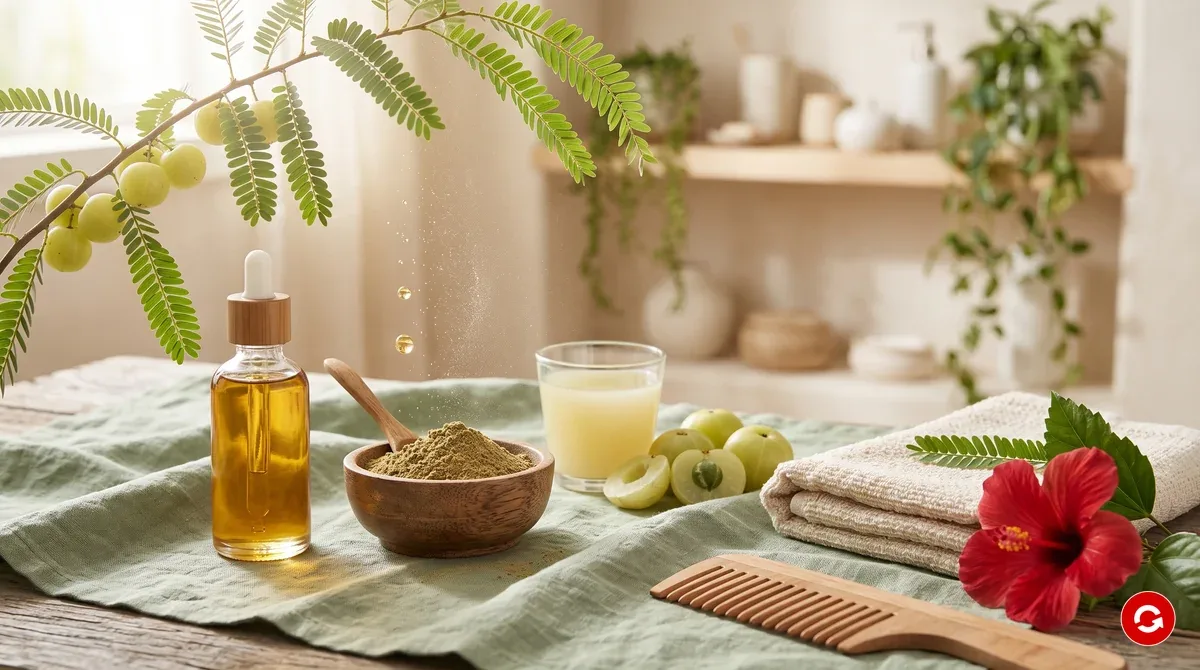
Amla (Indian gooseberry) is often recommended for hair and skin. People search for amla juice for hair growth, amla for glowing skin and amla oil. This guide explains what is reasonable to expect, how people use it, and what to watch for.
The short version: amla is a food rich in vitamin C, and vitamin C plays a role in the body’s normal collagen production. That does not turn eating or applying amla into a hair-growth or skin treatment.
Advantages of Amla for Hair: What to Expect
Amla has long been used in Indian hair routines as oil, powder paste or juice. People who look up amla benefits for hair, the benefits of Indian gooseberry for hair or gooseberry uses for hair usually mean these routines. Many people like it, and that tradition is real. What is not established is that it makes hair grow back or thicker.
- Nutrition. Amla adds vitamin C to your diet. The NIH Office of Dietary Supplements notes that vitamin C is needed to make collagen and helps the body absorb iron from plant foods.
- Hair depends on much more. Genetics, hormones, stress, illness and overall nutrition all affect hair. One fruit cannot override them.
- Sudden or heavy hair loss needs a check-up. It can have medical causes, including low iron, which a doctor can test for.
Amla Juice for Hair Growth: What We Know
There is no standard dose and no reliable proof that drinking amla juice increases hair growth. Treat the juice as part of a balanced diet, not as a hair treatment. If you enjoy it, start small and see how your stomach copes with the sourness.
Ways People Use Amla for Hair
- Eating or drinking amla. Raw, boiled or as juice, as part of a normal diet.
- Amla oil. Usually amla steeped in a base oil such as coconut oil and massaged into the scalp. Check the label of a bought oil for added fragrance or colour.
- Amla powder mask. Powder mixed with water or curd and applied to hair. It can dry out and stain, so keep sessions short.
- Amla with other ingredients. Often mixed with hibiscus, curd or fenugreek. Do a patch test first.
Amla for Skin: Why Vitamin C Gets Mentioned
Vitamin C is needed to make collagen, a protein in skin, and acts as an antioxidant. This is the basis of most claims about amla benefits for skin. Getting enough vitamin C from food supports normal skin function, but it does not change skin tone or erase marks. Claims about skin whitening or instant glow have no solid basis.
What matters most for skin is sun protection, sleep, hydration and a varied diet. Amla can be one tangy part of that diet.
Amla Juice for Glowing Skin
Fresh amla juice gives you vitamin C along with water. A small glass, diluted, can fit into a day that also includes fruit, vegetables and enough water. Think of it as a healthy habit, not a skin treatment.
Possible Side Effects
- Scalp or skin irritation. Test any amla oil, powder or mask on a small patch of skin first and wait a day.
- Dryness. Amla powder can dry hair and scalp. Rinse thoroughly and moisturise afterwards.
- Stomach upset. Amla juice is sour and can cause acidity in some people.
- Allergy. Stop using it if you notice itching, redness or swelling.
How Amla Fits Into a Hair and Skin Routine
The most useful way to think about amla is as one tangy food in a routine built on basics. The habits below do more for hair and skin than any single fruit, and amla can sit alongside them.
- Eat a varied plate. Fruit, vegetables, dal, grains and enough protein all feed your hair and skin. Amla is one addition among many.
- Pair it with plant sources of iron. Vitamin C helps the body absorb iron from plant foods, so amla goes well with dal, leafy greens or chana.
- Drink enough water. Plain water, amla water or coconut water all count.
Choosing Amla Products
Amla appears in juices, oils, powders and masks. Read the ingredient list before you buy, and be careful with products that add fragrance, colour or a lot of sugar. Avoid any product that promises to cure hair loss or change your skin tone.
Who Should Be Careful
- Acidity, heartburn or ulcers. Amla is sour and can aggravate these.
- Diabetes medicines or blood thinners. Amla is often described as affecting blood sugar and clotting. Check with your doctor before taking it regularly.
- Planned surgery. Tell your doctor if you drink amla regularly.
- Kidney disease or kidney stones. Very high vitamin C intake may raise urinary oxalate. Ask your doctor first.
- Pregnancy and breastfeeding. Check with your doctor first.
This article is general information. It is not medical advice and does not diagnose, treat, cure or prevent any disease. If you have a medical condition, are pregnant or take medication, check with your doctor before trying new ingredients.
Amla for Hair and Skin FAQ
Q1. Does amla juice help hair growth?
There is no reliable proof that it does. It can add vitamin C to a balanced diet, but hair growth depends on many other factors.
Q2. Is amla good for hair when applied directly?
Many people use amla oil or powder masks and like how their hair feels. Test a small area first, since irritation and dryness are possible.
Q3. Can amla make skin glow?
Amla adds vitamin C to your food, but it does not change skin tone. Sun protection, sleep and a varied diet matter more.
Q4. Does amla have side effects on hair?
Amla powder can dry hair and scalp, and some people react to oils or masks. Patch test first and stop if irritation appears.
Q5. Is amla powder as good as fresh amla juice?
Both come from the same fruit. Powder is convenient, but check the label for added ingredients, and neither is a treatment.
Q6. Should I see a doctor about hair loss?
Yes, if hair loss is sudden, patchy or heavy. A doctor can look for causes such as low iron or thyroid problems.
Q7. Can I apply fresh amla juice directly to my scalp?
Some people do, but fresh juice can sting or irritate. Test a small patch first, rinse well, and stop if you notice redness or itching.
Source and Next Step
- Vitamin C: Fact Sheet for Health Professionals, NIH Office of Dietary Supplements.
Not sure which ingredients suit your routine? Take Gulpit’s free wellness check-up for a personalised look at your habits.
Share This On Your Favourite Platform!
Table Of Content


